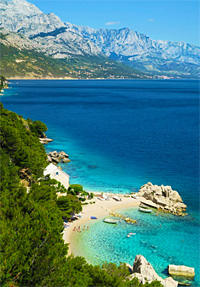
The island vegetation is Mediterranean, rich and varied. Korcula is one of the most forested Adriatic islands, as much as 61 per cent of its surface is covered with woods and macchia thickets.
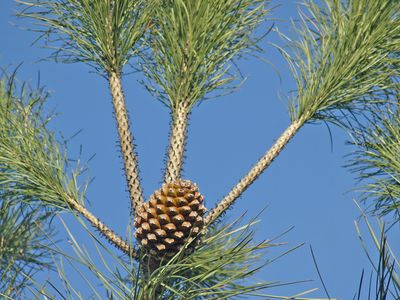
Conifers grow everywhere: Aleppo pine (Pinus halepen-sis), stone pine (Pinus pined), Dalmatian black pine (Pinus nigra), cypress (Cypressus), and other species.
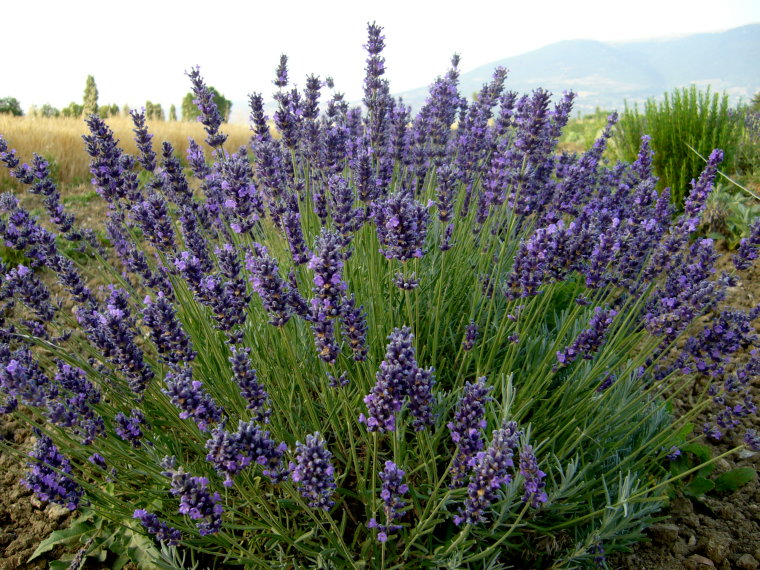
Lavander
The island has thick indigenous forests of holm oak (Quercus ilex), wild olive, carob, bay. Heather, arbutus, prickly juniper, vetch and other plants grow in the low undergrowth called macchia.
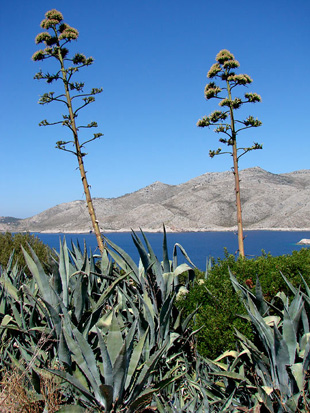
Agava
Indigenous herbs and aromatic plants also grow on the island: sage, rosemary, lavender, immortelle, mint, marjoram etc.
The forests and macchia support a variety of climbing plants and vines. A large number of grasses and greens that are very good to eat grow in neglected vineyards, there are olive groves, and several species of mushrooms.
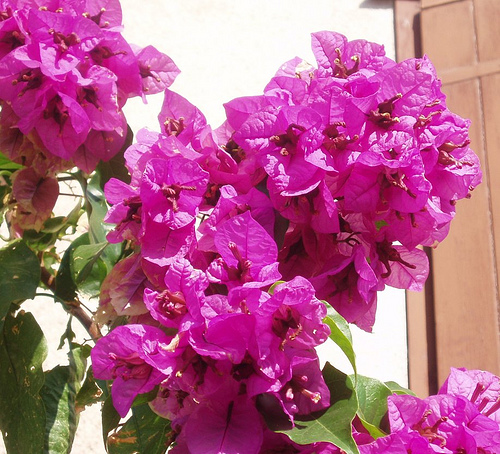
Bugenvila
The plants and trees make a splendid green backdrop for this island, which is why the Greeks named it Corcyra Melaina - Black Kocula. The rocks and earth can hardly be made out through the lush vegetation that grows right down to the seashore everywhere.
Various kinds of decorative trees, shrubs and other plants can also be found on Korcula, some of them brought from tropical areas and well adjusted here. These include several species of palm, eucalyptus, wistaria, bougainvillea, oleander, many kinds of cacti.
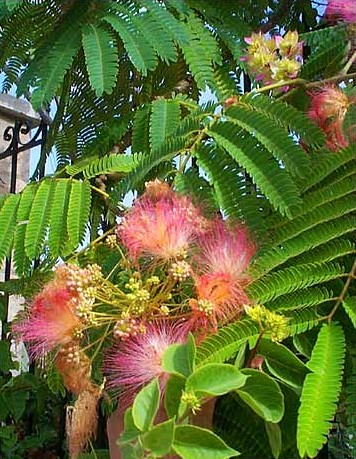
Mimosis
The island animal world boasts the otherwise rare jackal (Canus aureaus Dalmatics) and mongoose (Mungus mungo), and a large number of birds and song birds. There are also various species of game: hare, pheasant, mallard, wild boar, and more recently deer have been introduce to the islet of Badija.
The sea around the island is rich in all kinds of fish, about 200 species live in the Adriatic, and crabs, shellfish, sea urchins.